We’re local.
Our lawyers live in your community. With our roots going back to Newcastle over 40 years ago, our team has since grown to established presences in Sydney, the Central Coast and Coffs Harbour. Let’s meet for a chat.




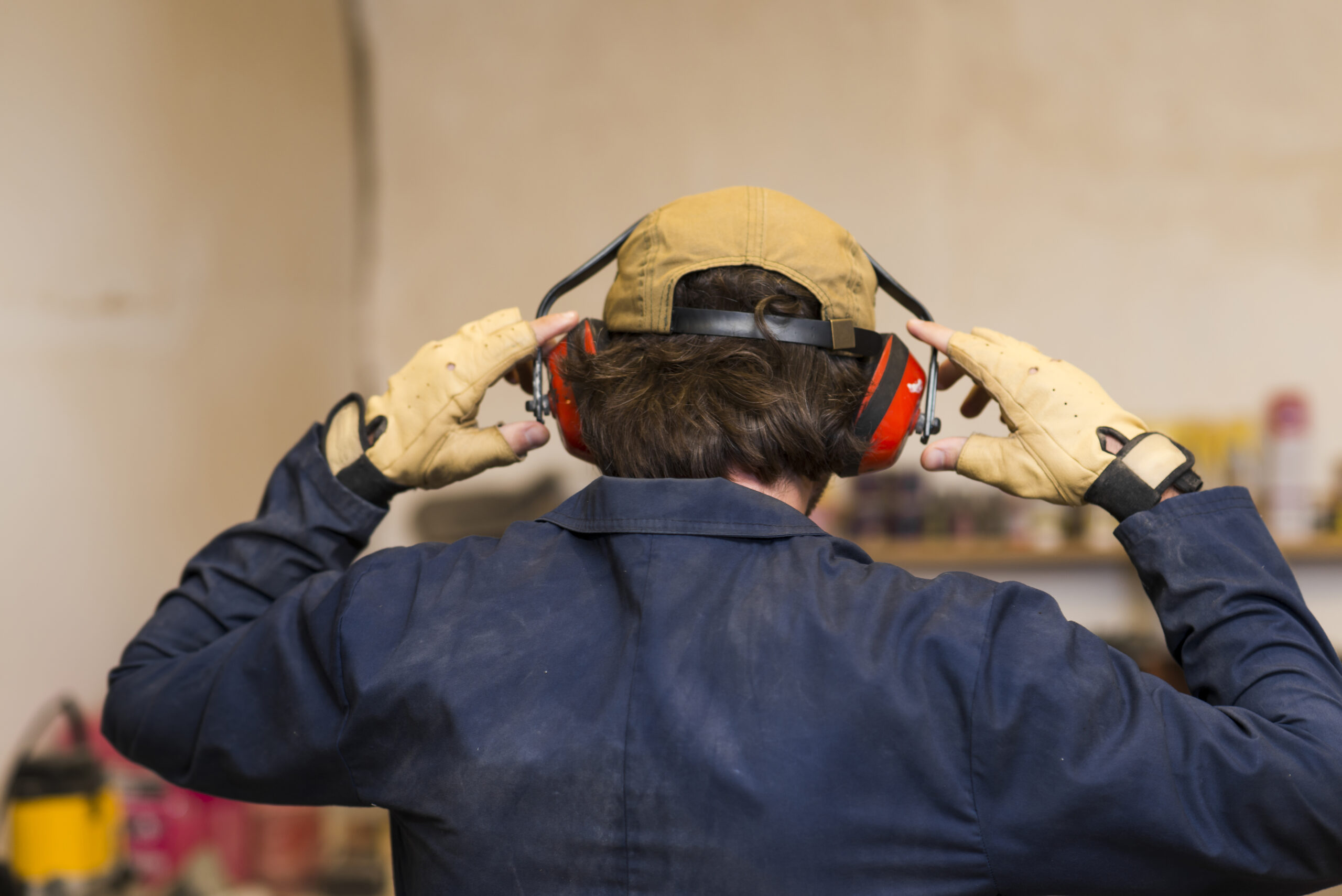
If years of noisy work have left you struggling to hear – even if you left that job long ago – you may be entitled to hearing aids and compensation under the NSW workers compensation scheme. Our industrial deafness lawyers have been running these claims for over 40 years, with offices across Sydney, Newcastle, Central Coast and the Hunter, acting on a No Win, No Fee basis.
Industrial deafness generally refers to hearing loss caused by prolonged or repeated exposure to excessive noise at work, developing gradually over time, often without adequate hearing protection. A separate work-related hearing injury can also result from a single loud incident – an explosion, a machinery failure, a blast – though different workers compensation rules may apply to a single-event injury than to gradual hearing loss.
Noise-induced hearing loss is generally permanent and cannot usually be reversed, although hearing aids and other treatment can help manage its effects. It may be compensable through your employer’s workers compensation insurance, including the cost of hearing aids, lump sum compensation, and other entitlements.
It’s also common for industrial deafness to go unnoticed for a long time. Many of our clients don’t realise their hearing has deteriorated until years after they’ve left the job, sometimes after they’ve retired. That doesn’t mean it’s too late to claim – see “Time limits” below.

Barry’s primary legal focus is on hearing loss claims, where he has a high success rate winning for clients. Feel free to get in touch for some quick, free advice on your situation.
Hearing loss from noise exposure develops slowly, so it’s often family members who notice it first. Common signs include:
If any of this sounds familiar and you’ve spent time working around loud machinery, vehicles, or equipment, it’s worth having your hearing properly assessed.
You may have a claim if you’ve worked, at any point in your career, in an environment with sustained high noise levels. This includes (but isn’t limited to):
You don’t need to still be working in that environment to claim – many industrial deafness claims are made by workers who’ve since left noisy employment, changed careers, or retired. What matters is that noise exposure during your employment caused or contributed to your hearing loss, not what you’re doing now.
Firefighters, police officers, paramedics, workers in or about coal mines, and certain other exempt categories are subject to a lower threshold for lump sum compensation than other workers – so if you’ve worked in one of these roles, it’s worth having your hearing checked even if the loss seems relatively minor.
An accepted industrial deafness claim can entitle you to:
The exact amount depends on your degree of hearing loss and is set by the relevant SIRA compensation tables at the time of your claim. We’re happy to walk you through what that means for your specific situation during an obligation-free conversation.
This is one of the most common questions we get, because most people with industrial deafness have worked multiple noisy jobs over the years, not just one.
The claim is generally made against your last noisy employer – the most recent employer where you were exposed to noise levels capable of causing hearing loss. If you’re still working in that environment, the claim goes against your current employer. If you’ve since retired or moved to quieter work, it’s the last employer where noise exposure was a factor, even if that was years ago. Other employers from earlier in your working life may also have contribution obligations, depending on your employment history, though this only goes back 5 years.
Identifying the right employer (and the right insurer) can get complicated over a long working life, particularly if a business has since closed, changed hands, or changed its insurer. Our team can handle these technicalities for you – you don’t need to have it worked out before you call.
No. Hearing loss is determined either when the claim is made or at the last date of employment.
Fill out a form, call our office or fill out our free claim check – it takes a few minutes and there’s no cost or obligation.
We’ll arrange an obligation-free consultation with one of our compensation lawyers to understand your situation and explain your options clearly.
If you decide to proceed, your lawyer will manage your claim from start to finish – dealing with insurers, gathering evidence, and fighting for the compensation you deserve.
Industrial deafness claims are workers compensation matters. You may be eligible for legal assistance funded through the Independent Legal Assistance and Review Service (ILARS), administered by the Independent Review Office – eligibility and funding depend on the circumstances of your claim. We’ll explain exactly what applies to your situation, including any costs and how they’re calculated, before you commit to anything.
Most people injured while performing work duties in NSW are covered, including:
If you’re not sure whether you’re covered, that’s exactly what your free case assessment with one of our lawyers is for – we’ll tell you plainly, one way or the other.

Significant reforms to the NSW workers compensation scheme commenced on 1 July 2026.
Our lawyers live in your community. With our roots going back to Newcastle over 40 years ago, our team has since grown to established presences in Sydney, the Central Coast and Coffs Harbour. Let’s meet for a chat.
Ross Whitelaw and John McDonald founded this firm in 1987. Since then, our team has recovered tens of millions of dollars for local workers and their families. Our team has decades of experience in workers compensation and coal mining injury claims, spanning thousands of clients from all walks of life.
We have strong ties with unions across NSW, serving as a referral partner of choice. Many of our clients come to us on recommendation from their union, workmates, or family and friends.
You don’t pay us unless we win your claim. In many disputed matters – such as challenging an insurer’s decision – legal costs can also be funded through the Independent Review Office’s ILARS scheme for workers compensation, so there’s often no out-of-pocket cost to you even when a dispute arises. We’ll explain exactly what funding may be available for your specific situation.
Before anything else, we’ll sit down with you – in person, over the phone, or at your home or hospital bed if that’s easier – and talk honestly about whether you have a claim, and what your options are. We explain the process so you understand what is involved in making a claim. No pressure, no charge.
A workplace injury doesn’t just affect your legal position – it affects your whole life. We help clients arrange transport to appointments, coordinate medical assessments, and liaise directly with your treating doctors so you’re not left chasing paperwork on top of everything else.
The vast majority of workers compensation matters are settled through negotiation with the insurer, or resolved at conciliation through the Personal Injury Commission – not in a courtroom. We prepare every case as if it might go the distance, which is exactly why most don’t need to.
“Had a great experience with Matt working through my case with a fantastic result. Would definitely recommend him if you need a lawyer after being injured at work.”
Ben L., workers compensation claim
“I would like to sincerely thank you for all the hard work you put into my compensation claim. With your professional, knowledgeable, caring and ability to explain, whilst keeping me calm has been outstanding. You are a credit to your profession. It has been an absolute pleasure to communicate with both John and Craig. I am now relieved that this is behind me and can really concentrate on getting myself fully recovered. Once again, many thanks.”
John S., workers compensation claim
“Thank you to Whitelaw McDonald for successfully winning my workers compensation case. Highly recommend Stuart Barnett who was extremely professional and knowledgeable and his assistant Terissa who was there from the beginning . She was always available and extremely helpful throughout the process.”
Glenn B., workers compensation claim
You don’t need to have all the answers before you call us. Whether you’re not sure if you have a claim, you’re partway through a claim already and want a second opinion, or your claim has been disputed, get in touch for a free, no-obligation conversation.

Industrial deafness generally refers to permanent hearing loss caused by prolonged workplace noise exposure without adequate hearing protection. A separate work-related hearing injury can also result from a single very loud incident, though different rules may apply. It’s most common in mining, construction, manufacturing, transport, farming and entertainment industries.
Yes. Many industrial deafness claims are made by people who’ve since left the noisy job – sometimes decades ago. Eligibility depends on whether noise exposure during your employment caused or contributed to your hearing loss, not on what you’re doing now.
Generally, your last noisy employer – the most recent employer where you were exposed to hazardous noise levels – although earlier employers may also have contribution obligations depending on your history up to 5 years. We identify the right employer and insurer as part of investigating your claim.
Unlike many other personal injury claim types, there is no time limit to make a claim for hearing loss in NSW.
Typically hearing aids where reasonably necessary, plus a lump sum payment for permanent impairment if your hearing loss meets the required threshold. We’ll explain what threshold applies to your circumstances at your first consultation.
You may be eligible for legal costs funded through the Independent Review Office’s ILARS scheme, depending on your circumstances, which would cover the entirety of your legal fees. We’ll explain exactly what applies to you, and how any costs are calculated, before you proceed.
Yes. A hearing test (audiogram) is the starting point for an industrial deafness claim, often followed by an assessment from an ENT specialist. We can arrange this for you.
From 1 July 2026, most workers generally get one principal permanent impairment assessment per injury. A further assessment is only available in limited circumstances – including an unexpected and material deterioration of at least 10 percentage points WPI. Ordinary age-related deterioration doesn’t qualify. Different rules apply to some exempt workers and certain older claims – we can tell you which applies to you.
These roles are subject to a lower hearing-loss threshold for lump sum compensation than other workers, and the 2026 assessment changes apply differently to some of these categories. It’s worth having your hearing checked even if the loss seems relatively minor.
You may be able to request an internal review by the insurer and lodge a dispute with the Personal Injury Commission. The Independent Review Office can also assist with complaints and access to legal assistance. We manage this process for our clients from start to finish.
If you have been injured or become unwell due to your work, you may be eligible for workers compensation benefits.
If you have been injured in an underground or open cut mine, you may be eligible for workers compensation benefits.
Our team of highly specialised experts will work tirelessly to get you the compensation you deserve.